

When you look for interior design companies in Dubai, you are actually hiring a pair of hands. People forget this detail during their research because interior designers market themselves as big brands, but the real work happens inside one person’s head. Somebody specific will draw your apartment. This person has habits and blind spots, and they have a particular way of fixing a narrow hallway. You will almost never see their name on the website.
Our team spent a lot of time last year trying to find out who is actually behind these companies. We sent one question to eleven different practices in Dubai. We asked them who will personally draw the apartment and if we could meet them before signing a contract. The answers separated this industry faster than any portfolio ever could.
Below is our guide to the top interior designers in Dubai right now. We will show you what each interior designer in Dubai is unusually good at, and we will give you the honest reason they might be a bad choice for your project.
How Our Team Chose The Top Interior Designers For This List
A designer is a real person, so our team used two main criteria to build this ranking instead of focusing on surface details.
First, we evaluated craft. We looked for people who listen past your initial requests to find what you actually need and fix a bad hallway. Our team checked if they design for how you live at 7am on a Tuesday rather than photoshoot results. A designer who asks about your daily habits before mentioning style is always a strong signal.
Second, we focused on availability because running too many jobs ruins projects. A brilliant designer handling nine projects gives you the same results as an average one running two. We checked how many live jobs each designer carries and who covers their work when they travel.
Finally, we checked if the person who charms you in the meeting is the actual human drawing your plans. In larger practices, the designer often vanishes once site work begins. We kept all of these details in mind to find the best options for your home.
The 10 Interior Designers In Dubai Worth Knowing
1. Amanda D’Souza at Euphoria Interiors

Interior designers normally stop drawing once a business passes fifty projects, but Amanda D’Souza has not stopped. She still sits in design reviews at Euphoria Interiors after finishing a hundred homes, holiday lets, and commercial spaces. Her consistency shows up in the plans. Her walkthroughs are highly detailed so clients never have to guess. This clarity helps her projects keep their original layout instead of drifting into expensive changes during the build.
- Signature move – Rebuilding a layout around how a family actually lives instead of forcing a specific house style.
- Perfect for – Apartment, villa, and penthouse owners, plus small offices or showrooms wanting one accountable person from start to finish.
- Wrong fit if – You only want drawings at the lowest possible price.
2. Zahir Abdulrahiman at Design Nomads

Abdulrahiman thinks like a business operator who also designs. His most valuable habit has nothing to do with aesthetics. He walks through a unit and checks the services before a client ever signs the lease. This is incredibly important because cafes have failed over missing extract routes.
- Signature move – Doing a pre-lease inspection to stop you from renting bad units before you commit any money.
- Perfect for – Restaurant, cafe, and retail founders, especially those opening multiple sites.
- Wrong fit if – You just want a small residential refresh.
3. Merete and Patrick van IJzendoorn at Zen Interiors

These two people have focused on one category since 2003. They only design residences, and they refuse all other types of work. Their handovers reach a very high level because of this strict focus. The furniture is placed, lamps work, and all styling is completely done. This service is obviously valuable for owners who live abroad during the build.
- Signature move – Handing over a home that is genuinely ready to live in.
- Perfect for – Villa owners, investors, and second-home buyers who want to arrive rather than supervise.
- Wrong fit if – You want commercial work, and it is a bad fit if you enjoy sourcing your own furniture.
4. Mohab Ayoub at Algedra

Ayoub built a practice that handles interiors, architecture, and landscaping all together. This setup removes the most annoying failure during the construction of a large villa. It stops two different consultants from disagreeing about a level while you pay for both of them.
- Signature move – Designing the building, the interior, and the garden as one continuous idea.
- Perfect for – Owners of very large homes and premium hospitality or retail brands.
- Wrong fit if – Your brief is small, fast, or only requires drawings.
5. Dina Murali and Zain Belgami at DZ Designs

This pair built DZ Designs in 2014 to handle complex projects. Their temperament sets them apart just as much as their skill. They plan the budget conversation before it turns into an argument, and this strategy helps large projects survive a stakeholder committee.
- Signature move – Using value engineering right from the start instead of applying it as damage control later.
- Perfect for – Hotel operators, developers, and anyone answering to a board.
- Wrong fit if – You only have one apartment and are the only decision-maker.
6. Mohamed Basheer at Whitemonde
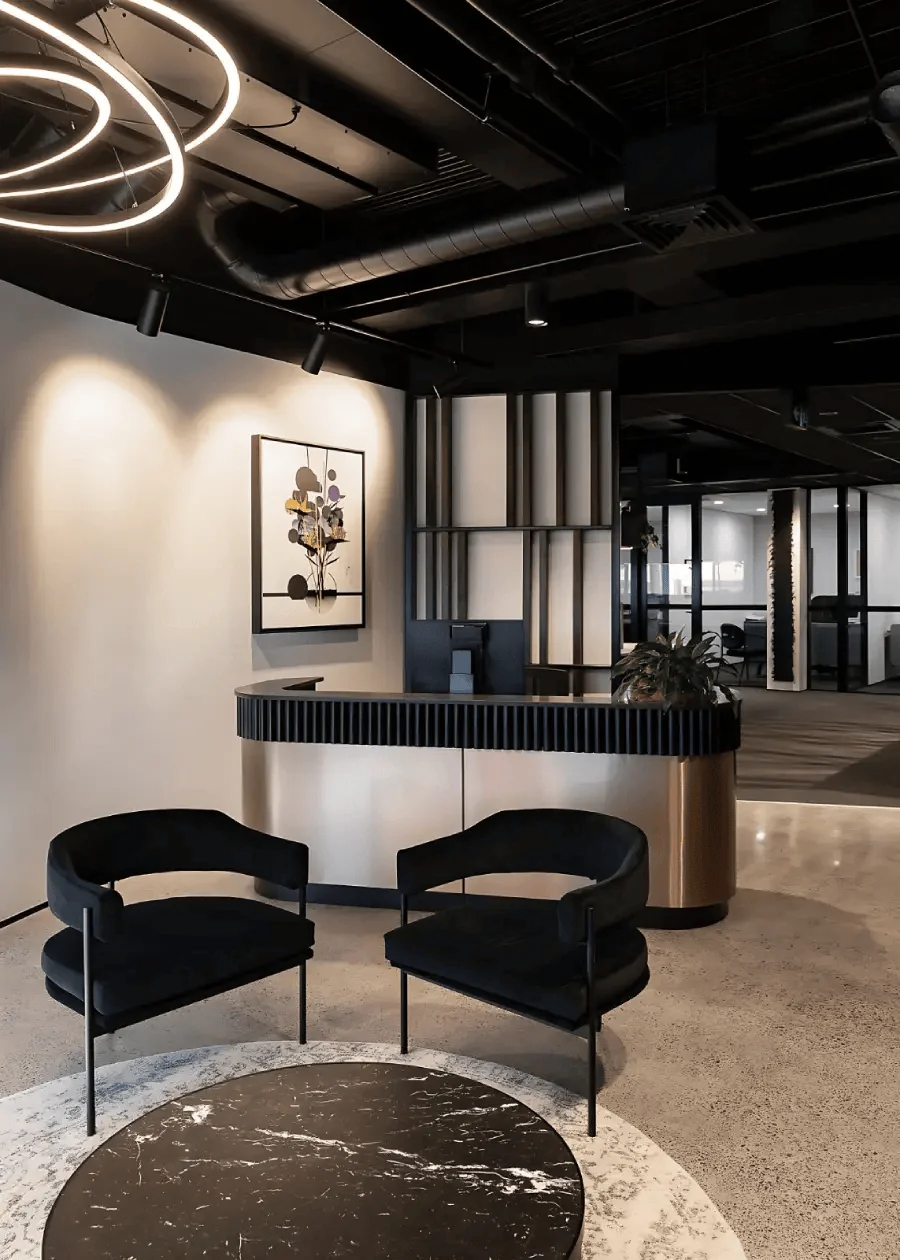
Basheer runs a practice where designers and engineers work on the same payroll, and that discipline shows up in difficult spaces. You can give him a room with a column in a stupid position, and he will make the finished space look like the column was always intentional.
- Signature move – Making awkward commercial geometry look completely deliberate.
- Perfect for – Companies setting up new offices, showrooms, and modern commercial spaces.
- Wrong fit if – You want the cheapest and fastest option.
7. Mustafa Misto at Le Harmony

Misto is a designer who has his own contractor’s licence and a joinery workshop. This changes how he draws his plans. He only specifies details because he knows his workshop can actually build them, and he does not care if they photograph well.
- Signature move – Designing joinery that he will personally be responsible for producing.
- Perfect for – Owners doing structural renovations or anyone who wants custom kitchens and wardrobes.
- Wrong fit if – You want a pure design service without any construction attached.
8. Preetham Bhaskar at Amborg

Bhaskar handles clients at a practice that is comfortable doing the unfashionable thing. He will keep a previous tenant’s ceiling grid instead of tearing it out. Nobody photographs this decision, but it saves weeks on the schedule and a serious chunk of your budget.
- Signature move – Designing around what already exists instead of starting with demolition.
- Perfect for – Commercial tenants with a hard opening date and a strict budget ceiling.
- Wrong fit if – You are a luxury brand or need industrial scope.
9. The J-Walt design team
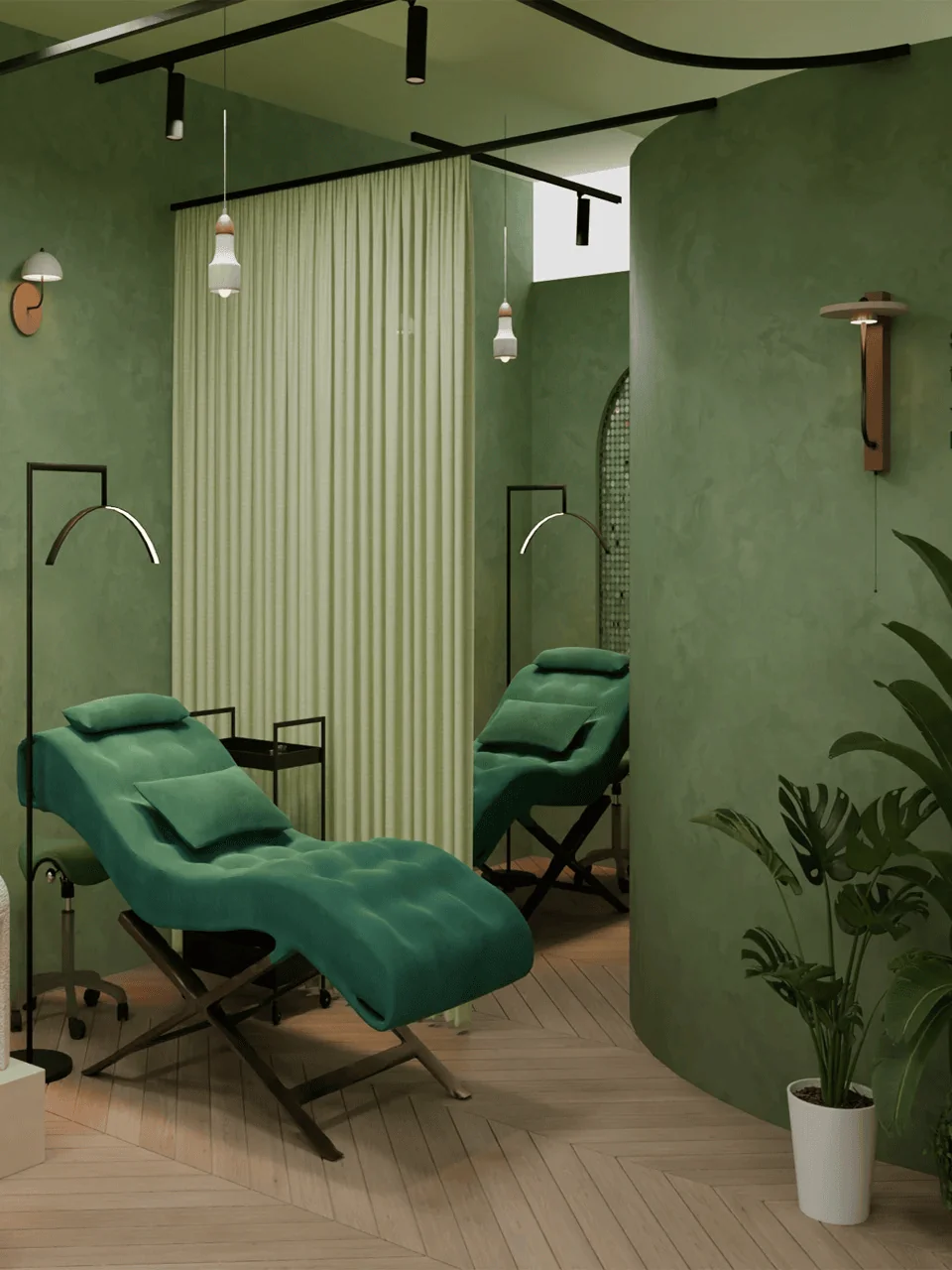
We included this entry without a specific name deliberately. J-Walt operates as a team with ISO certification, HSE compliance, and insurance. They pair their design plans with their own carpentry and civil works. Landlords constantly question every drawing, so this heavy paperwork helps your timeline much more than individual flair.
- Signature move – Designing plans that easily survive heavy scrutiny.
- Perfect for – Clinics, salons, auto centres, and free zone offices in heavily governed buildings.
- Wrong fit if – You want one named creative person to own the entire vision.
10. The Glow Interiors design team
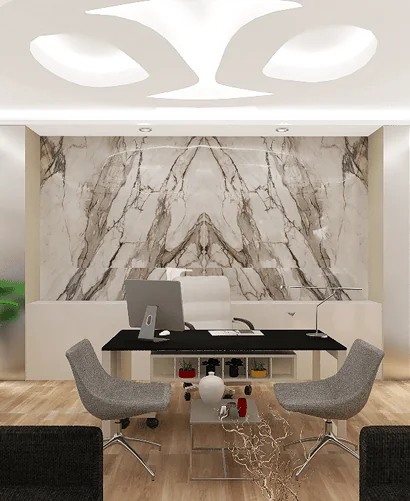
This is the second team-led entry, and it is the most accessible one. Clients talk directly to the person who is drawing their plans. The cost is revisited at three different points instead of arriving as one giant number at the very end.
- Signature move – The person who answers the phone is the exact same human being drawing your plans.
- Perfect for – Owners who want to be involved in the process on a weekly basis.
- Wrong fit if – You want to disappear completely until the final handover.
To proceed, pick two names and ask each of them for a project they personally led. You want a specific job with their fingerprints on it instead of a general portfolio. Our interior design services page sets out what a full scope covers, and this helps you easily spot a proposal that quietly excludes half the work.
Quick reference
| Designer | Practice | Unusually good at | Wrong fit for |
|---|---|---|---|
| Amanda D’Souza | Euphoria Interiors | Layouts built around real family life | Drawings-only budget briefs |
| Zahir Abdulrahiman | Design Nomads | Killing bad units before the lease | Small residential |
| Merete and Patrick van IJzendoorn | Zen Interiors | Genuinely finished handovers | Commercial work |
| Mohab Ayoub | Algedra | Building, interior and landscape as one | Small fast briefs |
| Dina Murali and Zain Belgami | DZ Designs | Budget planning at scale | One-decision-maker projects |
| Mohamed Basheer | Whitemonde | Difficult commercial geometry | Cheapest and fastest |
| Mustafa Misto | Le Harmony | Joinery he can actually build | Design-only service |
| Preetham Bhaskar | Amborg | Designing around what exists | Luxury brands |
| J-Walt design team | J-Walt Interiors | Drawings that survive scrutiny | One named creative |
| Glow design team | Glow Interiors | Direct access, no middle layer | Hands-off owners |
Working With An Interior Designer In Dubai So You Actually Get Their Best
Getting the right designer is only half the battle. The other half is being the kind of client they do their best work for, and that part is completely in your control.
- Bring problems instead of solutions – Asking for a bigger kitchen island gives a designer one simple instruction. Telling them that two people cook at once and keep bumping into each other gives them a problem to solve. Problems always produce better rooms than simple instructions do.
- Decide the money before the drawings – A number that arrives after the first render is actually a negotiation. This will cost you the goodwill that you will need later in the project. Include a 15% contingency, and you must say the real budget out loud in your first meeting.
- Make decisions in batches – Designers lose a lot of time to slow approvals. You should agree on a rhythm and hold it tight. A client who decides on Fridays gets prioritized over someone who decides eventually.
- Say what you hate – Most people politely describe what they like and stay quiet about the rest. Pointing out your dislikes narrows the field much faster than your Pinterest board ever will.
- Do not manage the trades yourself – Undermining your designer in front of a contractor will cost you their attention for the rest of the project.
What To Do Before Your First Designer Meeting
You can read our guide on how to choose an interior design style if you are still unsettled. Our completed Dubai work shows how a full scope runs stage by stage, and our about us page explains who does what here.
Write three simple sentences about frustrations in your current home before your first meeting. Focus on real problems instead of aesthetics. Bring that page instead of a moodboard, and you will see how differently the conversation goes.
If you already have a proposal, you can send it to us for an independent read before you sign. That is what Interior Designer in Dubai is here for. We will help you, and sometimes we will honestly tell you that your chosen designer is already the perfect fit.
Frequently asked questions
What is the difference between an interior designer and an interior decorator?
A designer works with space, structure, services, and technical drawings. They are involved with approvals and site work. A decorator works with the surface, so they focus on finishes, furniture, and styling. You need an interior designer if your project moves a wall, touches MEP, or needs a permit.
How much do interior designers in Dubai charge?
Design fees for a small apartment usually land around AED 10,000 to 25,000. A two-bedroom apartment costs around AED 25,000 to 60,000, and villas are considerably higher. Fees are quoted per square foot, as a percentage of project value, or as a fixed amount based on stages. Always confirm which pricing model applies and what falls outside of it.
Can I hire a designer without hiring their construction team?
Yes, and many practices offer packages just for design. This approach works well for cosmetic updates. Splitting design from execution on structural work means you carry the coordination risk yourself, and that risk is very real.
Do I need approvals for a residential renovation?
You need approvals if the layout, MEP, or structure changes. Submissions must go through a registered consultant instead of the owner, and free zones and community developers will also add their own NOCs. Cosmetic work only needs permission from building management.
How long should the design phase take before site work starts?
It takes two to six weeks for an apartment and six to twelve weeks for a villa. This timeline covers the concept, revisions, technical drawings, and material selection. Rushing this phase is incredibly expensive because unresolved decisions will reappear on site at three times the cost.
Are the largest interior design companies in Dubai a safer choice?
They are not automatically safer. A large scale gives you a structured process, insurance, and buying power, but it also adds distance between you and the person drawing your rooms. You will usually get sharper attention for a single home at a practice where the founder still reviews the work.
Ready to start your project
If you want a second opinion on a designer or a proposal, or you are ready to begin, get in touch with our team and we will help you take the next step with confidence.
